
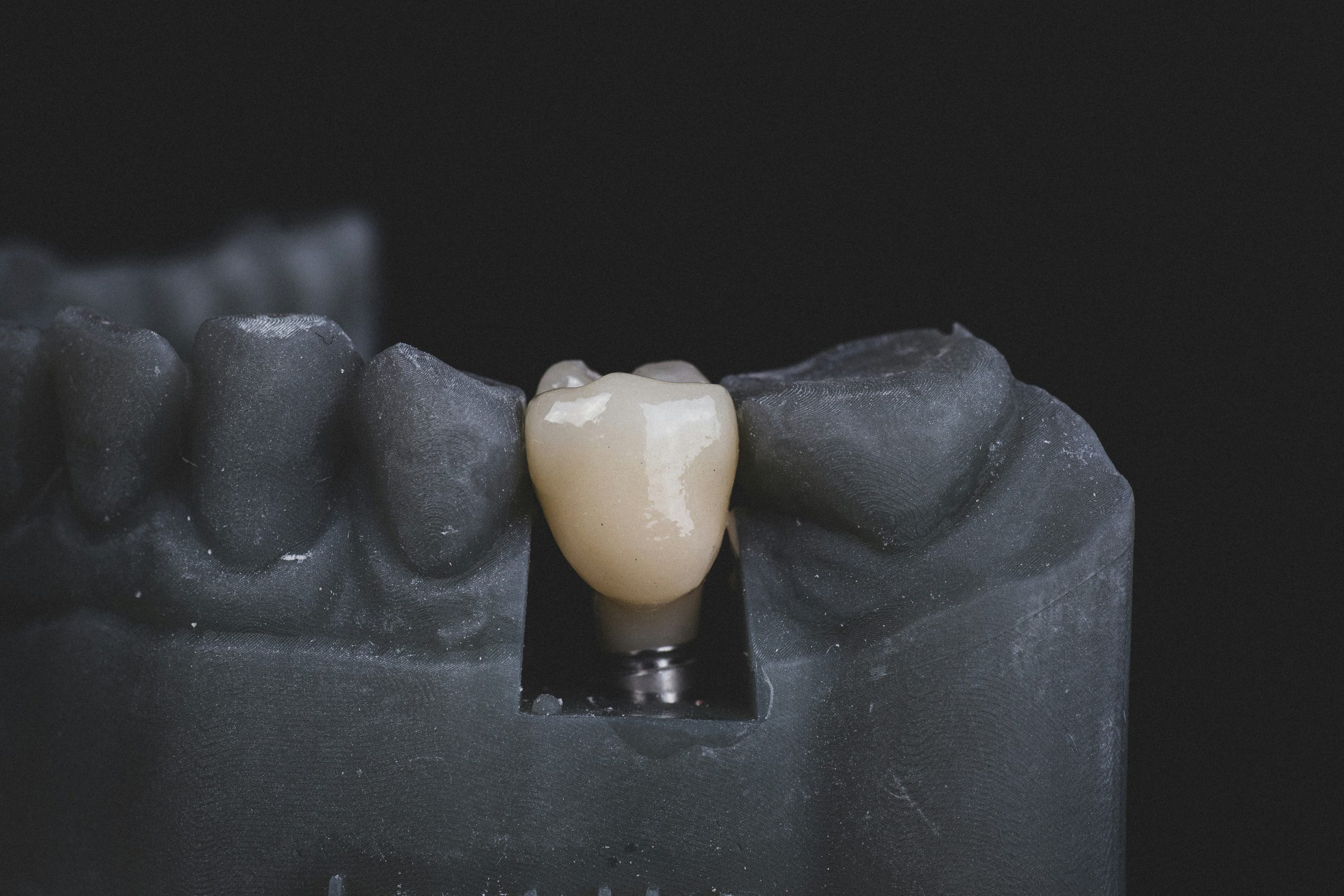
Missing teeth can drain your confidence, strain your bite, and wear down your other teeth. You might hear many claims about dental implants that sound scary or confusing. Some say implants always fail. Others warn that they hurt too much or cost more than they are worth. These myths keep you stuck with pain and shame. A Minneapolis periodontist hears these fears every day and corrects them with facts, not pressure. This blog clears up four common myths so you can see your choices with a calm mind. You will learn how safe implants are, how long they can last, what recovery feels like, and what costs to expect. You deserve straight answers, not fear.
Myth 1: Dental implants are unsafe
Many people fear that a metal post in the jaw is unsafe. You might picture screws coming loose or harming your body. That picture is false.
Dental implants use titanium or similar materials that your bone accepts. Your bone grows around the implant and locks it in place. This process has decades of study behind it. The success rates stay high across many age groups.
Here is what you can count on.
- Careful screening of your health and medicines
- Use of clean tools and strict infection control
- Planning with 3D images in many clinics
The National Institute of Dental and Craniofacial Research states that implants are a trusted option for replacing missing teeth when you have enough bone and healthy gums. When your team plans well, the risks stay low and clear.
Myth 2: Implants always fail or fall out
You might hear stories about implants that never healed or fell out during meals. These stories spread fast. They also leave out key facts.
In truth, dental implants have one of the highest success rates in modern dentistry. Studies often show success above 90 percent over many years. Failure is possible but not common.
Here are the three main causes of implant failure.
- Smoking or vaping that slows healing
- Uncontrolled conditions such as diabetes
- Poor daily cleaning around the implant
When you follow your care plan, the odds stay in your favor. You brush and clean between your teeth. You see your dentist or periodontist on a set schedule. You watch for swelling or bleeding and call early. These steps protect the bone around the implant and help it last.
Typical long-term outcomes for tooth replacement options
| Option | Average lifespan with good care | Risk of bone loss in jaw | Can be replaced without touching nearby teeth
|
|---|---|---|---|
| Dental implant | 10 years or longer | Lower | Yes |
| Fixed bridge | 5 to 10 years | Medium | No |
| Removable partial denture | 5 to 7 years | Higher | Yes |
This table shows why many dentists see implants as a steady option, not a gamble.
Myth 3: The surgery and recovery are unbearable
Pain fear stops many people from even asking about implants. You might picture a long surgery and sharp pain for weeks. That picture is not true for most patients.
During implant placement, you receive numbing. Many clinics also offer light medicine to help you relax. You should feel pressure, but not sharp pain. The visit can feel shorter than you expect.
After the visit, you can expect three things.
- Soreness for a few days that responds to over-the-counter pain pills
- Some swelling that fades within a week
- Soft food for a short time to protect the site
Most people return to normal daily tasks within one or two days. Children and older adults often handle the process well when they have clear instructions and support at home.
The American Dental Association’s MouthHealthy resource explains that many patients say implant surgery feels easier than a tooth extraction. Good planning and clear after-care steps keep you in control instead of in fear.
Myth 4: Implants cost too much to ever be worth it
Sticker shock is real. Implants often cost more up front than bridges or dentures. That cost can feel out of reach when you look at only the first year. You also need to look at the long-term picture.
Here are three cost truths to weigh.
- Implants can last longer than bridges or dentures
- Implants help protect bone in your jaw, which can prevent future procedures
- Implants do not rely on grinding down nearby healthy teeth
Many families spread the cost with payment plans or health savings accounts. Some dental plans offer partial coverage. You can ask for a written plan that lists each step and fee. That way, you can compare it with other options with clear numbers.
Sample cost comparison over 15 years per missing tooth
| Option | Typical initial cost | Expected replacements or repairs | Estimated total over 15 years
|
|---|---|---|---|
| Dental implant and crown | Higher | Low | Moderate |
| Fixed bridge | Medium | Medium | Medium to high |
| Removable partial denture | Lower | High | Medium |
Exact numbers vary by clinic, region, and your health. Still, you can see that a higher first cost does not always mean a higher long-term cost.
How to decide if dental implants are right for you
You do not need to decide alone. You can take three clear steps.
- Schedule a visit with a dentist or periodontist for a full mouth exam and X-rays
- Share your health history, medicines, and tobacco use with full honesty
- Ask for a written list of options with pros, cons, and costs
Bring your questions. Ask about success rates in that clinic. Ask what pain control they use. Ask what daily care the implant will need. A steady expert will answer without pressure.
Missing teeth do not have to control your speech, smile, or diet. When you clear away myths, you gain room to choose what fits your body, your budget, and your peace of mind.