
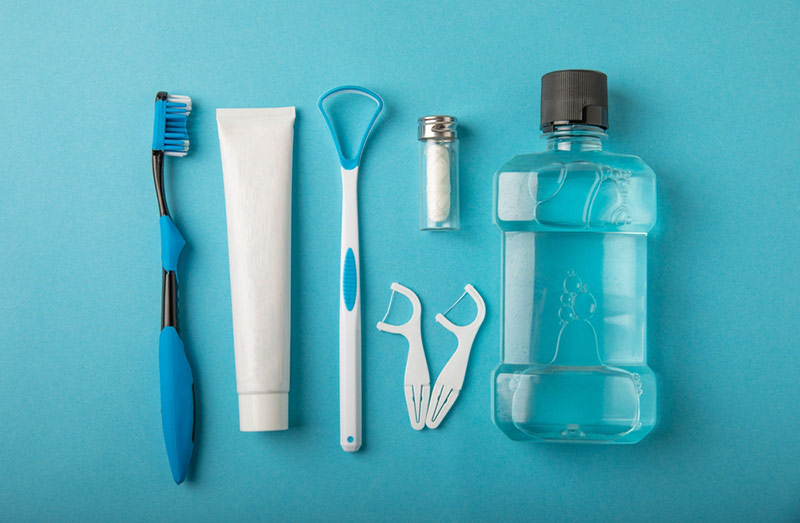
Cavities between teeth stay hidden. You often feel them only when the damage is deep and the pain is sharp. The good news is that you can stop them before they start. You do not need special tools or complex routines. You need steady habits, clear steps, and honest guidance. This blog walks you through six plain ways to protect the tight spaces between your teeth. You learn how to clean, what to avoid, and when to ask for help. You also see how small daily choices shape your mouth health for years. If you care for a child, these steps matter even more. Early routines protect baby teeth and guide strong adult teeth. You can also speak with a pediatric dentist in Lee for local support and clear answers. You have more control over these hidden cavities than you might think.
1. Floss every day, even when your teeth feel fine
Cavities between teeth grow in spots your brush cannot reach. Food and germs sit in those tight spaces. Over time they eat into the enamel. You may not see it. You may not feel it until the hole is deep.
Daily flossing breaks up that hidden buildup. You clean the sides of each tooth and under the gums. You lower the chance that germs stay long enough to cause damage.
Use these steps.
- Use about an arm’s length of floss.
- Wrap the ends around your middle fingers.
- Guide the floss between teeth with your index fingers.
- Curve it in a “C” shape against one tooth. Then move up and down.
- Repeat on the neighbor tooth.
For a child, help with floss picks if string floss is hard. Stay next to your child so flossing feels normal and safe.
2. Brush with fluoride toothpaste twice a day
Fluoride makes enamel harder. It helps repair tiny weak spots before they turn into cavities. When fluoride touches the sides of teeth, it protects the spaces between them.
The American Dental Association explains how fluoride prevents and even reverses early decay.
Follow three simple steps.
- Brush two times each day. Once in the morning. Once before bed.
- Use a pea-sized amount of fluoride toothpaste for adults and older children. Use a smear for children under three.
- Angle the bristles toward the gums and brush for two full minutes.
After brushing, spit out the foam. Try not to rinse with water right away. This keeps fluoride on the teeth longer.
3. Clean between teeth with extra tools when needed
Some spaces need more than floss. Braces, tight contacts, and crowding can trap more food. In those cases, you can use extra cleaning tools to protect those spots.
Three helpful tools are common.
- Interdental brushes. Small brushes that slide between teeth.
- Water flossers. Devices that use a stream of water to knock out food.
- Floss threaders. Loops that help you get floss under braces or wires.
Use these once a day in place of or along with floss. Move gently to avoid hurting the gums. For a child with braces, help guide the tool until the routine feels easy.
4. Choose food and drinks that protect enamel
What you eat touches every side of your teeth. Sticky sugar and frequent snacking give germs a steady fuel source. That fuel turns into acid. The acid wears down the enamel between teeth and starts cavities.
The Centers for Disease Control and Prevention explains how sugar and drinks affect mouth health here: CDC on sugary drinks and teeth.
Use three simple food rules.
- Limit sweets and sugary drinks to mealtimes.
- Pick water or plain milk between meals.
- Choose snacks like cheese, nuts, and crisp fruits or vegetables.
For children, set house rules around snack times. Offer water as the first drink choice. Keep candy and juice as rare treats, not daily habits.
5. See a dentist for regular checkups and X-rays
Many cavities between teeth do not show on the surface. Dentists use bitewing X-rays to see between teeth. These pictures help find weak spots early. Early care often means smaller fillings and less pain.
In a visit, your dentist will:
- Check all tooth surfaces, including tight spaces.
- Review brushing and flossing habits.
- Suggest fluoride treatments or sealants if needed.
Most children and adults need a visit every six months. Some need more visits if they get cavities often. Keep a simple rule. If you see blood when you brush or floss, or you feel a sharp twinge between teeth, schedule a visit soon.
6. Use fluoride and sealants for extra protection
For people who get cavities often, extra fluoride helps. Fluoride varnish or gel in the office coats the teeth. It strengthens enamel on the chewing surface and between teeth where the varnish touches.
Dental sealants cover the grooves on the chewing surfaces of back teeth. They do not reach between teeth. Yet they cut the total number of cavities. That means fewer weak spots that can spread.
Children gain strong protection from both. Many public health programs support fluoride varnish and sealants in schools or clinics. Ask your dentist if your child is a good match.
How daily habits compare for cavity risk
| Habit | Effect on cavities between teeth | Simple change you can make today
|
|---|---|---|
| No flossing | High risk. Food and germs stay trapped between teeth. | Floss once tonight before bed. |
| Flossing 1 time each day | Lower risk. You clear most buildup between teeth. | Set a phone alarm as a daily reminder. |
| Sipping sugary drinks all day | High risk. Teeth stay under acid attack for long periods. | Finish sweet drinks with meals. Drink water between meals. |
| Two fluoride brushes each day | Lower risk. Enamel repairs early weak spots. | Keep a spare brush and paste at work or school. |
| Regular dental visits with X rays | Lower risk. Hidden cavities are found and treated early. | Book the next visit before you leave the office. |
Putting it all together for your family
You can protect the spaces between teeth with steady steps. Floss every day. Brush with fluoride. Use extra cleaning tools when needed. Choose food and drinks that protect enamel. Keep regular dental visits. Ask about fluoride and sealants.
Pick one change today. Add more over time. Small, steady choices guard those hidden spaces and protect every smile in your home.