
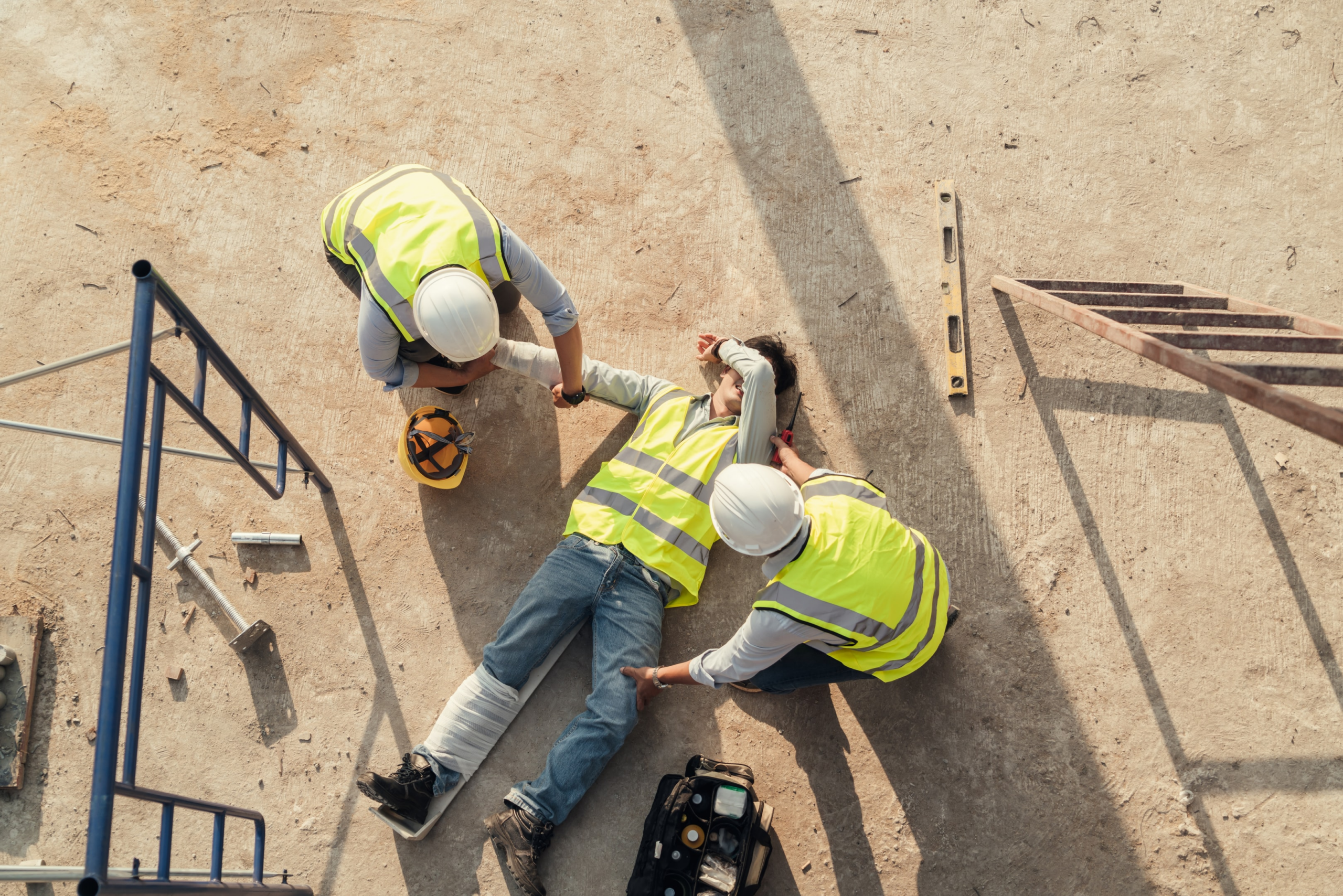
Construction sites should never feel like a gamble with your body. Yet every year, workers face the same safety violations that cause the same painful injuries. This blog walks you through the top safety failures that put you at risk on the job. You will see how missing guardrails, weak fall protection, poor training, and ignored equipment checks can turn a normal day into a long hospital stay. You will also learn what you can do when you see these hazards. You have the right to speak up, refuse unsafe work, and report risks without fear. Each section points to clear steps you can use, backed by federal safety rules and real cases. For more plain language safety guides and updates, you can visit hinden.net and stay informed before the next shift. Your body, your pay, and your family all depend on these basic protections.
Why the Same Violations Keep Hurting Workers
Most construction injuries do not come from rare events. They come from the same patterns.
- Rushed schedules
- Shortcuts on training
- Ignored safety rules
These patterns leave you exposed. They also harm families who count on your paycheck and your presence at home. When employers repeat these violations, injuries repeat too.
You can reduce this risk when you know the most common failures and what to watch for during every shift.
Common Safety Violations and Typical Injuries
The table below shows frequent safety violations on construction sites and the injuries they often cause. The patterns come from long term data reviewed by safety agencies and research groups.
| Safety violation | Typical result | Who is most at risk
|
|---|---|---|
| No or weak fall protection | Broken bones and head trauma | Roofers, steel workers, scaffold workers |
| Unprotected floor openings and missing guardrails | Falls from height and internal bleeding | Framers, concrete crews, general laborers |
| Unsafe scaffolds | Falls and crush injuries | Anyone working or walking under scaffolds |
| Lack of training on equipment | Caught in or struck by machines | New hires and temporary workers |
| Missing hard hats or eye protection | Head and eye injuries | All workers near overhead work |
| Poor trench protection | Trench collapse and suffocation | Excavation crews and pipe layers |
| Blocked or missing exit routes | Burns and smoke inhalation | Workers inside enclosed spaces |
You can use this table as a quick checklist in your mind when you walk onto a job site.
Fall Protection Failures
Falls from height kill more construction workers than any other hazard. The Occupational Safety and Health Administration lists fall protection as a top cited violation every year. You can confirm current data at the official OSHA Top 10 Violations page.
Common warning signs include:
- No guardrails on open edges or stairways
- Missing or loose covers on floor holes
- Improvised anchors for harnesses
- Old harnesses with cuts or missing labels
Your employer must provide safe fall protection when you work at height. You can:
- Refuse to work near unprotected edges
- Ask for a full body harness that fits
- Check lanyards and anchors before each use
These steps protect your spine, brain, and long term health.
Scaffolds and Ladders
Scaffolds and ladders feel routine. They still carry heavy risk when set up in a rush.
Common scaffold problems include:
- Missing guardrails on platforms
- Planks that do not fully cover the width
- Scaffolds not tied to the structure
For ladders, watch for:
- Ladders set on loose soil or debris
- Workers standing on the top step
- Extension ladders not extended above the landing
You can ask who built the scaffold and if that person has training. You can also move a ladder if it feels loose or unsafe. You do not need to wait for permission to stop a climb that feels risky.
Training Gaps and Poor Supervision
Many injuries happen on a worker’s first months on the job. New workers often do not know their rights or the safe way to use tools and heavy equipment.
Clear training should cover:
- How to use personal protective gear
- How to lock and tag equipment before repair
- How to report hazards without punishment
You can request training in a language you understand. Federal law supports your right to clear safety information. You can read about these rights at the OSHA Workers’ Rights page.
Personal Protective Equipment Violations
Missing or poor fitting gear turns small events into major injuries. Hard hats, safety glasses, gloves, hearing protection, and boots all matter.
Common failures include:
- No eye protection during cutting or grinding
- Old hard hats with cracks or faded shells
- Boots with worn soles on wet or muddy ground
You can check your gear at the start of each shift. You can replace broken items at once. You can also speak with a supervisor if gear does not fit your body size.
Trenches and Excavations
Trench collapses happen fast and leave little chance to react. Soil can crush the chest and cut off air in seconds.
Warning signs include:
- No trench box or shoring in deep cuts
- Spoil piles close to the trench edge
- Water in the bottom of the trench
You can refuse to enter a trench that lacks a safe protective system. You can also keep heavy equipment and trucks away from the edges.
What You Can Do When You See a Violation
Silence keeps unsafe patterns in place. Your voice can break that pattern.
- Report hazards to your supervisor in clear terms
- Use your right to stop work when danger is clear
- Document unsafe conditions with dates and photos when allowed
- Reach out to a union steward or safety committee if you have one
You also have the right to contact OSHA for help. You can ask questions, file a complaint, or request an inspection. You can do this without giving your name.
Protect Your Body and Your Family
Every guardrail, harness, trench box, and hard hat exists for one reason. These tools keep you alive and able to return home at the end of the day.
You cannot control every choice a company makes. You can control how alert you stay to these common violations. You can speak up. You can support coworkers who raise concerns. You can use the power of clear information to protect your body, your pay, and your family.