
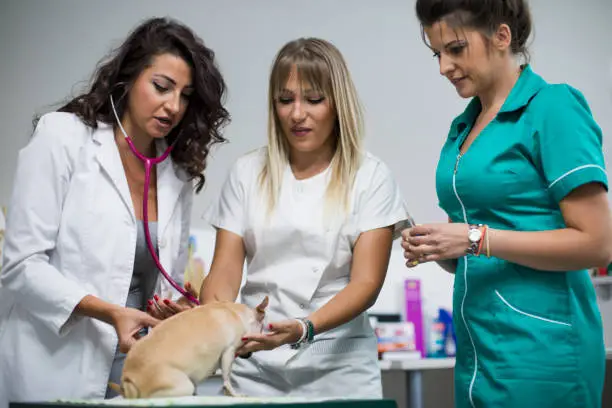
You want strong care for your animal. You also need clarity about where to go. A small clinic can handle simple needs. Yet some problems demand more. An animal hospital offers services you cannot get in a basic office. These services protect your animal during emergencies, surgery, and long-term treatment. They also support you when you feel scared or unsure. When you search for a veterinarian in Pleasant Prairie, you might see many options. The choices can feel confusing. This blog explains four services that set animal hospitals apart from small clinics. You will see how on-site imaging, full surgery support, 24-hour urgent care, and advanced testing change outcomes. You will also learn when to move beyond routine visits and choose hospital-level care. That way, you can act fast, protect your animal, and feel steadier in hard moments.
1. On-site imaging for faster answers
When your animal limps, vomits, or stops eating, every hour feels long. Quick imaging can shorten that fear. Many animal hospitals keep X-ray and ultrasound tools in the same building. Some also use CT or MRI for complex cases.
In contrast, small clinics often send you to a separate center. That means extra travel and long waits. Your animal stays in pain. You stay in suspense.
On-site imaging helps you through three key steps.
- You get a faster diagnosis.
- Your animal starts treatment sooner.
- You avoid repeat visits for the same problem.
The American Veterinary Medical Association explains that imaging lets the care team see bone, chest, and belly problems that exams alone can miss. You can read more about common imaging tests at the AVMA diagnostic and imaging guide.
Use this simple rule. If your animal may have a broken bone, swallowed object, or chest problem, choose a hospital with on-site imaging. That choice can prevent delays that cause lasting harm.
2. Full surgery support and safe anesthesia
Some surgeries are simple. Others carry real risk. Many small clinics can handle basic spay and neuter procedures. Yet they may not have advanced tools to manage bleeding, breathing trouble, or sudden heart changes.
An animal hospital usually offers:
- A separate sterile surgery room.
- Modern anesthesia monitoring for heart, oxygen, and blood pressure.
- Intravenous fluids to keep organs supplied.
- Trained staff focused only on your animal during surgery.
These steps lower the chance of problems during and after surgery. They also give the team more options if your animal reacts poorly to a drug or loses blood.
The U.S. Food and Drug Administration shares clear guidance on safe drug use in animals. You can see their overview at the FDA information for veterinarians. Hospitals that follow these standards and use strong monitoring protect your animal while asleep.
Use this rule. If your animal needs chest surgery, belly surgery, fracture repair, or any urgent operation, choose an animal hospital. That choice gives your animal a full support team from the first sedative to the last stitch.
3. 24-hour urgent and emergency care
Crises rarely happen during office hours. Poison exposure, car strikes, bloat, or breathing trouble often occur at night or on weekends. In those moments, you need care that never closes.
Most small clinics keep regular daytime hours. Some offer a short evening window. Yet they usually cannot admit animals overnight or manage sudden life-threatening events.
An animal hospital with 24-hour care can:
- Receive your animal at any time.
- Provide oxygen, fluids, and pain relief right away.
- Watch your animal through the night and adjust treatment.
Think of three emergency signs that always need hospital care.
- Trouble breathing or blue gums.
- Uncontrolled bleeding or deep wounds.
- Repeated seizures or collapse.
If you see any of these, call an animal hospital first. Ask if they have a doctor on site all night. Ask if they can admit your animal for close watch. That quick call can steer you away from a closed clinic door and toward real help.
4. Advanced testing and in-house lab work
Some problems hide under the surface. Heart disease, kidney trouble, hormone shifts, and infections often need blood or urine tests for clear answers. Many small clinics send these tests to outside labs. That can mean a delay of one or more days.
Animal hospitals often keep in-house labs. These labs can run:
- Blood counts to check red cells, white cells, and platelets.
- Chemistry panels to check kidney, liver, and electrolytes.
- Urine tests to find infection, sugar, or crystals.
- Basic clotting tests to check bleeding risk.
Here is a simple comparison of common services.
| Service | Typical small clinic | Typical animal hospital
|
|---|---|---|
| Basic exams and vaccines | Yes | Yes |
| On site X-rays | Sometimes | Usually |
| Ultrasound | Rare | Often |
| In house blood tests | Limited | Broad range |
| 24 hour emergency care | No | Often |
| Advanced surgery | Limited | Common |
Faster test results mean faster treatment. They also mean fewer back-and-forth trips. You spend less time waiting for a call and more time helping your animal heal.
How to choose the right place for your animal
You do not need an animal hospital for every visit. Routine shots, simple skin problems, and minor ear infections often fit well in a small clinic. That choice can feel more personal and close to home.
Yet you should choose an animal hospital when:
- Your animal faces a crisis or sudden change.
- Your animal needs advanced surgery or imaging.
- Your animal has a long-term disease that needs close tracking.
Call ahead and ask three direct questions.
- Do you offer 24-hour care on-site?
- Do you have X-ray, ultrasound, and in-house blood testing?
- Do you have a dedicated surgery room with full monitoring?
Your animal depends on you to choose wisely. When you understand what sets animal hospitals apart from small clinics, you can act with more strength and less doubt. That clear choice can spare your animal extra pain and give you a steadier path through hard days.