
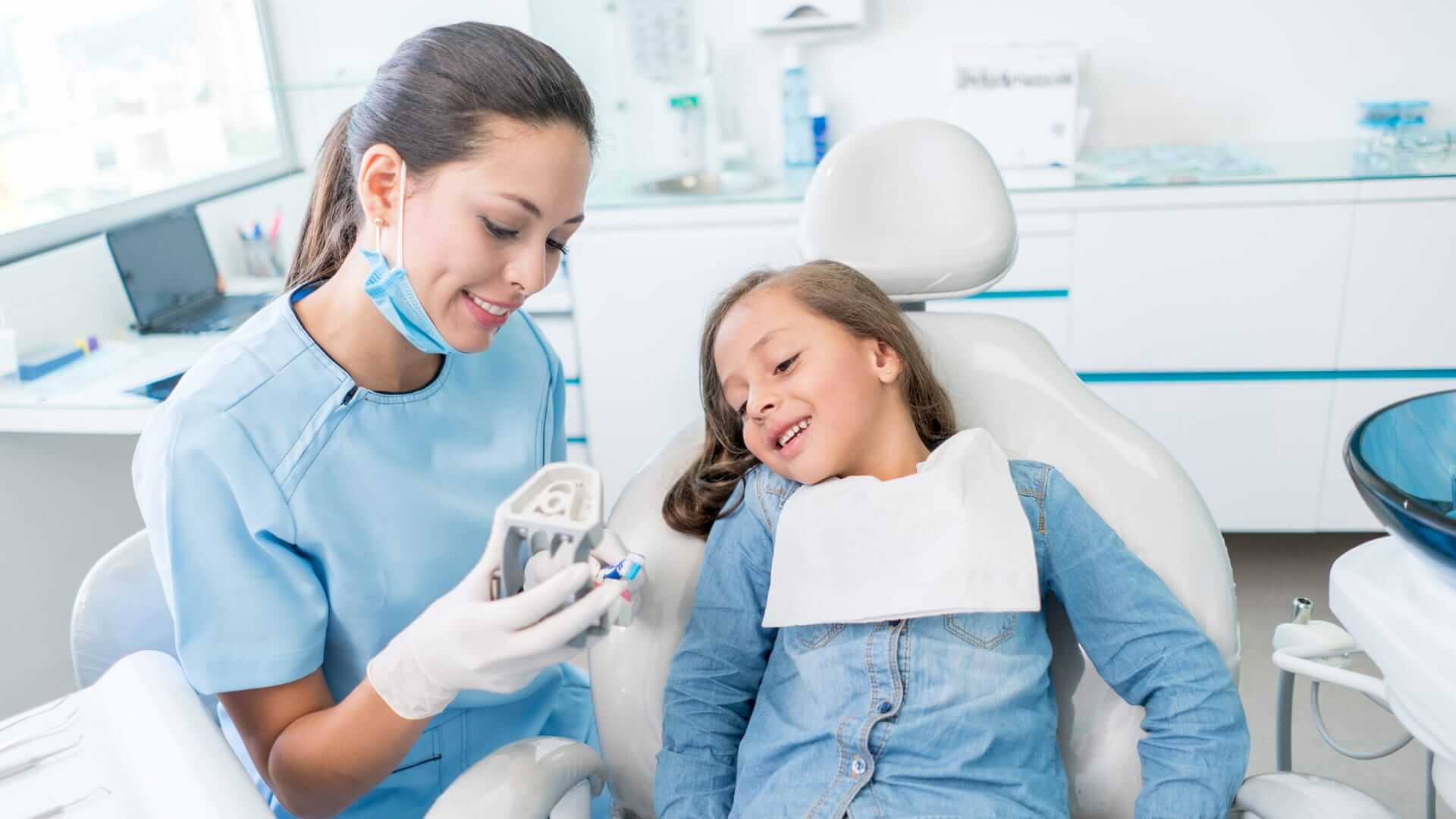
Your mouth changes with every stage of life. So your dental care must change, too. A toddler’s first visit is not the same as a teen’s orthodontic check. A grandparent’s visit is not the same as a busy parent’s cleaning. Each stage brings new risks, new fears, and new needs. A family dentist sees all of it in one place. That dentist watches baby teeth arrive, adult teeth shift, and aging teeth wear down. In a single day, a Georgetown TX dentist might calm a crying child, explain grinding to a stressed worker, and protect fragile teeth for an elder. Each person needs a different plan. Each visit needs a different tone, pace, and focus. When your dentist understands age, your care feels safer, faster, and easier. You deserve care that fits where you are in life right now.
Why Age Matters In Dental Care
Teeth do not stand still. They grow, shift, crack, and wear. Gums react to hormones, medicines, and long term disease. A family dentist watches these changes over years. That history shapes every choice.
Age affects three things.
- What problems are most common
- How easy it is to treat them
- How you feel during visits
Young children need trust. Teens need straight answers. Adults need clear plans. Older adults need gentle steps and careful checks. One office can adjust each visit to match that stage.
Care For Babies And Young Children
The first visit often sets the tone for life. The American Academy of Pediatric Dentistry suggests a first visit by age one.
A family dentist adapts care for young children by focusing on three simple goals.
- Prevent cavities
- Build trust
- Teach parents
Common steps include.
- Short visits with simple exams
- Gentle cleanings when the child is ready
- Fluoride treatments for strong enamel
- Sealants on back teeth once they appear
The dentist often speaks to the child first. Then explains the rest to the parent in plain terms. This builds calm and reduces fear the next time.
Care For School Age Children
Once school starts, new risks appear. Snacks, sports, and new habits affect teeth fast.
Family dentists adjust by.
- Watching how adult teeth come in
- Checking for early crowding
- Fitting mouthguards for sports
- Talking about brushing and sugar in clear language
These visits often include simple charts or pictures. The dentist may show plaque on teeth with a harmless dye. This makes the child see what brushing misses and gives a clear next step.
Teens And Young Adults
Teen teeth face braces, sports injuries, and new habits like tobacco or vaping. Hormone shifts can cause gum bleeding. Stress can cause grinding.
Family dentists change their approach for teens by.
- Speaking directly to the teen, not only the parent
- Reviewing alignment and bite at each visit
- Screening for early gum disease
- Talking about tobacco, vaping, and piercings in a blunt, respectful way
Many teens feel judged. A good family dentist offers facts, not shame. Clear photos of their own teeth often make the strongest point.
Adults In Their Working Years
Adults often care for others and put their own health last. Missed cleanings, tight budgets, and long work hours show up in the mouth. The National Institute of Dental and Craniofacial Research periodontal data shows high rates of gum disease in adults.
Family dentists adapt adult care by focusing on three themes.
- Prevention that fits a busy schedule
- Early repair before pain starts
- Clear cost and time plans
Common steps include.
- Regular cleanings and gum checks
- Night guards for grinding
- Fillings or crowns to stop cracks from growing
- Screening for oral cancer, especially for smokers and heavy drinkers
Visit length and timing often change. Early morning or late day slots help adults keep care on track.
Older Adults And Seniors
Older adults face tooth wear, dry mouth, gum loss, and complex medical histories. Medicines can reduce saliva and increase cavity risk. Arthritis can make brushing hard.
Family dentists shift again by.
- Reviewing all medicines at each visit
- Checking for root cavities and loose teeth
- Adjusting dentures or partials often
- Offering tools like wide handled brushes or floss aids
Visits may be slower with more breaks. The dentist also watches for signs of infection that could affect the heart or lungs, since bacteria from the mouth can spread.
How Needs Change With Age
| Life stage | Top concerns | Typical dentist focus
|
|---|---|---|
| Toddlers and preschool | First cavities, fear of visits | Gentle exams, fluoride, parent coaching |
| School age children | Cavities, sports injuries | Sealants, mouthguards, brushing habits |
| Teens and young adults | Crowding, gum issues, tobacco or vaping | Alignment checks, gum care, honest talks |
| Working age adults | Gum disease, grinding, stress | Cleanings, night guards, early repair |
| Older adults | Tooth loss, dry mouth, complex health | Dentures, root cavity checks, gentle support |
Using One Dentist For The Whole Family
When one dentist knows your whole family, patterns appear. A strong history of weak enamel, crowding, or gum disease can guide care for children long before problems grow.
Key benefits include.
- Shared records for parents and children
- Less fear for kids who see parents treated with calm respect
- Faster care in emergencies, since history is clear
You can ask your dentist how they adjust care by age. Ask what they watch for in your stage of life. Ask what you can change this week. Small steps now can prevent painful and costly work later.
