
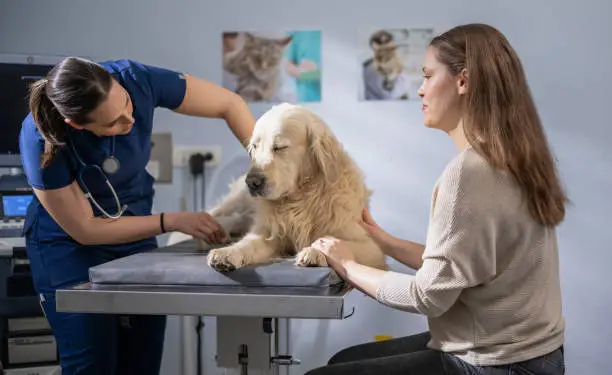
Facing the end of a pet’s life crushes your sense of control. You may feel fear, guilt, and confusion all at once. A South Houston veterinarian understands that you are losing a family member, not “just a pet.” You should not carry this weight alone. Veterinary hospitals guide you through each choice. They explain what your pet feels. They outline care options in clear words. They help you weigh comfort, time, and pain. They prepare you for what to expect before, during, and after death. They also support your family with quiet rooms, clear talk, and follow-up. You get help with hard questions about euthanasia, hospice care, and grief. You gain steady support at every step. This support does not erase the hurt. It does give you structure, clarity, and some peace when you need it most.
Understanding Your Pet’s Condition
End-of-life care starts with honest facts. You need clear answers about what is happening to your pet’s body. You also need to talk plainly about what your pet feels.
Your veterinary team usually offers three things. First, a full exam and clear test results. Next, a simple summary of the disease and likely changes. Then, a plan that matches your values and your pet’s needs.
Many hospitals use tools from trusted sources. For example, quality of life scales and pain checklists. These tools help you see patterns instead of guessing day by day. You can review sample home care and quality of life tips from the National Institute on Aging. The focus is on people, yet the planning steps can guide how you think about your pet’s care and choices.
Choices for Comfort and Care
As your pet nears the end of life, you usually choose between three paths. You may continue treatment. You may shift to hospice care. You may plan euthanasia.
Veterinary hospitals walk you through each choice. They explain what each option means for:
- Your pet’s pain and comfort
- Your time and energy at home
- Your financial limits
Here is a simple comparison you might see during a visit.
| Care Option | Main Goal | What Hospitals Provide | What You Do At Home
|
|---|---|---|---|
| Ongoing Treatment | Slow disease and extend time | Tests, drugs, possible surgery, close monitoring | Give medicine, watch for side effects, frequent visits |
| Hospice / Palliative Care | Comfort over cure | Pain control, symptom relief, home care planning | Track comfort signs, adjust routines, give extra support |
| Planned Euthanasia | End suffering | Gentle, peaceful procedure, guidanc,e and privacy | Choose timing, say goodbye, plan aftercare |
Each path haa s weight. No choice is easy. Your veterinary team helps you see which path best protects your pet from suffering.
Support During Euthanasia
The word “euthanasia” can stir dread. Clear facts remove some fear. Your veterinary hospital explains every step before anything begins.
Most hospitals:
- Offer a quiet room with soft lighting and seating
- Explain the drugs used and what your pet will feel
- Invite you to stay with your pet if you choose
Staff usually give a calming injection first. Your pet falls into a deep sleep. Then they give the second injection that stops the heart. Your pet does not feel fear or pain. The body relaxes. Breathing and heartbeat stop. Staff confirm death and tell you when it is complete.
You can hold your pet, speak, sing, or sit in silence. The team protects that time. They do not rush you.
Help With Aftercare Decisions
Right after death, simple decisions can feel heavy. Veterinary hospitals give you options in clear terms. You can choose:
- Private cremation so you receive your pet’s ashes
- Group cremation with no return of ashes
- Home burial where allowed by local law
Many hospitals work with trusted pet crematories. They handle transport, tracking, and return of ashes. You can also ask about paw prints, fur clippings, or small memorial items. Staff explain each step so you know how your pet’s remains are treated.
Emotional Support for You and Your Family
Grief after pet loss can feel raw and lonely. Many people say they feel “silly” for grieving a pet. That thought is false. Your grief is real. Veterinary hospitals see this pain every day. They treat it with respect.
Hospitals may offer:
- One-on-one talks with a veterinarian or trained staff
- Printed guides on grief and how to talk with children
- Referrals to pet loss support groups or counselors
You can find grief resources through educational groups and health agencies. The American Veterinary Medical Association shares practical steps to cope with pet loss and support children and older adults who struggle after a death.
Planning Ahead Before a Crisis
Planning forend-of-lifee care feels harsh. Yet planning protects you from rushed choices during a crisis. Veterinary hospitals can help you think ahead during regular visits.
You can ask three simple questions:
- What signs will show that my pet’s disease is getting worse
- What would a good final day look like for my pet
- What limits do I have on time, money, and home care
Your answers help shape an early plan. You can write your wishes. You can share them with your family. You can tell your veterinary hospital so they know your values before an emergency.
How to Talk With Your Veterinary Team
Strong communication with your veterinary hospital can ease this hard chapter. You can:
- Write your questions before each visit
- Ask for simple words if you do not understand medical terms
- Repeat back what you heard to confirm next steps
You can also ask for cost estimates, written care instructions, and direct contact methods for urgent questions. Clear talk protects you from regret. It lets you act with calm purpose instead of panic.
Closing Thoughts
End-of-life care for a pet hurts. Yet you do not need to face it alone. Veterinary hospitals offer knowledge, structure, and quiet kindness. They help you protect your pet from suffering. They help you say goodbye with respect. They help you carry the weight of grief with less confusion and more peace.